
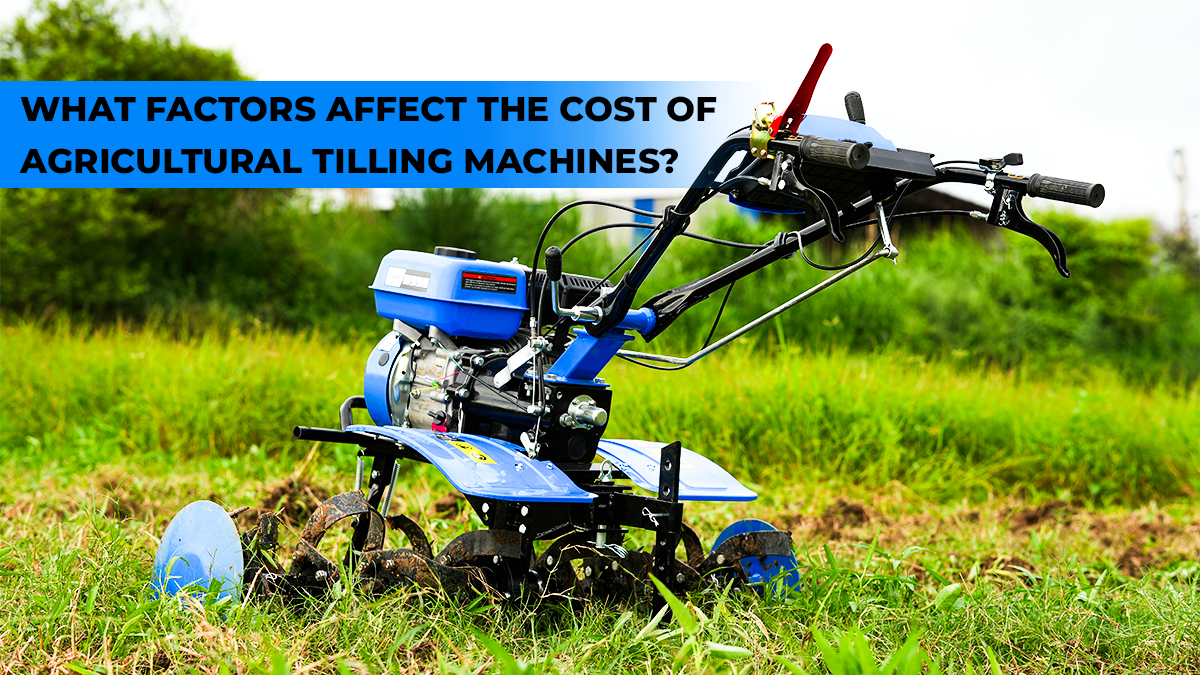
The use of agricultural tillers may help ease the process of preparing the soil by loosening the soil, blending of farm wastes, and field preparation for planting. But the tiller cost may differ due to several things. Factors such as engine power, capabilities of operation, quality of construction, and other extra features may affect the price of the tiller.
Key Factors That Affect Tiller Price
- Engine Power and Performance
Engine horsepower is another important consideration in determining the price of a tiller. Tillers with higher horsepower tend to perform better in difficult or large plots of land. Engines that use gasoline or diesel can also have varying prices according to their efficiency and durability.
- Tillage Width and Capacity
The tillage width defines how much soil the machinery is able to till in one pass. The
Greater the tillage width, the more area that will be covered by the machinery, thus reducing the time needed for tilling. At the same time, greater machinery capacity implies greater cost of the machinery.
- Transmission and Gear Options
The type of transmission can affect the price as well. Tillers with simple designs will have basic transmission systems, while those with more complex designs might have various gears to move the machine in different directions.
- Durability
The materials used in the frame, blades, gearbox, and other components can affect the tiller price. Stronger construction and durable components may increase the initial cost but can provide better reliability and longer service life with proper maintenance.
- Attachments and Additional Features
There are some types of tilling machines used in agriculture that have attachments to carry out functions such as weeding, cultivation, among others. Such features as adjustable working depth and improved starting system affect the final price.
Find the Right Tiller for Your Requirements
The selection of tillers should not be done only based on the purchasing cost of the equipment. It is necessary to start with the evaluation of your field size, the type of soil and the nature of tillage that you normally do. Engine power is a factor that matters when dealing with difficult soils while working width will determine the amount of surface area that can be handled at once. Other factors that one needs to consider include the type of fuel used, the transmission system, working depth, construction and accessories of the tiller.Those farmers who need equipment for continuous use can think of going for a strong tiller with the right specifications.
Conclusion
The price of the tiller is influenced by many elements such as horsepower, capacity, type of transmission, build quality, and other available features. Having knowledge about the above-mentioned elements, farmers can choose a good agricultural tiller according to their needs and requirements. This machine will prove its usefulness by increasing efficiency and saving time in soil preparation.
Read More: Choosing Compact Tilling Equipment for Small Farms and Gardens
